Abalone Embroidery Font: A Designer’s Review
As an embroidery designer who has spent years digitizing logos and testing fonts for small business merchandise, I approach every new machine embroidery design with a critical eye. It is not just about whether a font looks pretty on a screen; it is about how it performs under the needle, how it reads on fabric, and how it elevates a brand. Recently, I had the opportunity to review the Abalone Embroidery Font, and I want to share my insights on how this typeface functions in real-world commercial applications.
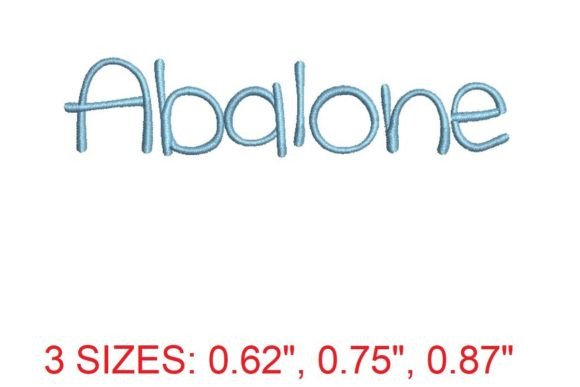
The first impression of the Abalone Embroidery Font is one of refined elegance. The description promises a blend of sophistication and versatility, boasting intricate details and smooth curves. In the context of branding, this suggests a font that moves away from the rigid, blocky styles often seen in industrial uniforms and leans toward a more boutique, artisanal aesthetic. For businesses in the Back To School sector, such as private tutors, art studios, or upscale uniform suppliers, this font offers a distinct alternative to standard collegiate lettering. However, its true power lies in its ability to convey premium quality for handmade brands and local boutiques.
Visual Personality and Brand Identity
When we talk about brand identity, we are discussing the emotional connection a customer feels when they see your logo. The Abalone Embroidery Font exudes a sense of calm professionalism mixed with creative flair. It does not scream for attention with heavy boldness; instead, it invites the viewer to look closer. This makes it an excellent choice for businesses that rely on trust and perceived value, such as bakeries, florists, pet grooming salons, and creative studios.
Using this font on your small business merch signals that you care about the details. It transforms a simple tote bag or apron from a utility item into a desirable accessory. For Etsy sellers and crafters, incorporating such a distinctive typeface into your design assets can significantly enhance buyer engagement. Customers are more likely to perceive a product as high-end if the typography reflects careful curation rather than default settings.
Real-World Applications for Small Businesses
To truly evaluate the Abalone Embroidery Font, we must look beyond digital mockups and consider physical production. Here is how this font performs across various common merchandise items:
- Embroidered Patches: This is perhaps the most versatile application. The smooth curves of the Abalone font translate well into patch formats, provided the size is adequate. A circular or oval patch featuring this font can serve as a standalone brand mark for jackets or bags.
- Apron Embroidery: For cafes and bakeries, staff aprons are walking billboards. The elegance of this font adds a touch of sophistication to the service experience. It looks particularly striking when placed on the chest pocket or the upper back of a canvas apron.
- Cap Embroidery: Caps present a challenge due to the curved surface and limited space. The Abalone Embroidery Font works best here for short brand names or initials. Long phrases may lose legibility if the curvature distorts the intricate details.
- Tote Bag Design: Canvas totes benefit from the organic feel of this font. Whether used for a bookstore, a farmers market vendor, or a boutique, the font’s versatility allows it to pair well with both minimalist and illustrative logos.
- Custom Apparel: On work shirts or polo shirts, this font serves as an excellent accent. It is ideal for sleeve details or left-chest logos where subtlety is preferred over bold dominance.
Technical Considerations and Production Notes
While the aesthetic appeal of the Abalone Embroidery Font is undeniable, successful execution requires technical precision. As a designer, I always advise checking specific file details before committing to a large production run. Since the product description highlights "intricate details," we must be mindful of stitch density and resolution.
Here are my practical notes for using this digital embroidery file effectively:
- Test Scale and Legibility: Intricate curves can blur if the design is scaled down too much. Always test the font at the intended hoop size. If you are creating a small patch, ensure the inner spaces of letters like 'e', 'a', and 'o' do not fill in with thread.
- Fabric Texture Matters: Smooth fabrics like twill, satin, or high-count cotton will showcase the smooth curves of the Abalone font best. Rougher textures, such as heavy canvas or terry cloth, may obscure fine details. Always test on the actual fabric you plan to use.
- Stabilizer Selection: To maintain the integrity of the elegant curves, use a high-quality cut-away stabilizer for stretchy fabrics and a tear-away for stable woven materials. Proper stabilization prevents puckering, which can distort the font’s sophisticated look.
- Thread Color Contrast: Because this font relies on shape rather than heavy weight, contrast is key. Ensure your thread colors stand out against the fabric. A monochromatic look can work, but only if the texture difference is visible.
- Mockup Before Production: Create a printable mockup or stitch out a sample on scrap fabric. Compare it beside other design assets to ensure visual consistency across your brand materials.
Navigating Potential Challenges
No font is perfect for every scenario. There are specific instances where the Abalone Embroidery Font should be used with caution. If your business requires highly durable uniforms that undergo frequent industrial washing, ensure the stitch count and density are optimized to prevent unraveling. Additionally, avoid using this font for tiny lettering on dark uniforms if the thread sheen does not provide enough contrast.
For commercial embroidery projects involving large quantities, consistency is vital. Verify that the embroidery file format you purchase is compatible with your machine software. While the description mentions versatility, it does not specify exact stitch counts or license terms. Therefore, I strongly advise reviewing the licensing agreement to confirm commercial use rights before selling products featuring this design.
Enhancing Customer Trust and Product Value
Ultimately, the choice of typography impacts how customers perceive your finished product. The Abalone Embroidery Font contributes to a narrative of quality and care. When a customer receives a package with a beautifully embroidered label or a tote bag with elegant lettering, it reinforces their decision to support your business. It builds recognition and fosters loyalty.
For handmade product creators, this font bridges the gap between amateur craft and professional branding. It allows small businesses to compete visually with larger entities by offering a personalized, high-touch aesthetic that mass-produced items lack. Whether you are designing for the Back To School rush or creating year-round branded merchandise, the right font can make all the difference.
In conclusion, the Abalone Embroidery Font is a valuable addition to any designer’s library, particularly for those focusing on boutique, lifestyle, and service-based brands. Its elegance and versatility make it suitable for a wide range of applications, from patches to apparel. By paying attention to technical details like stabilizer choice, fabric texture, and scale, you can ensure that this font delivers the premium look your brand deserves. Always remember to test thoroughly and verify licensing to protect your business interests.