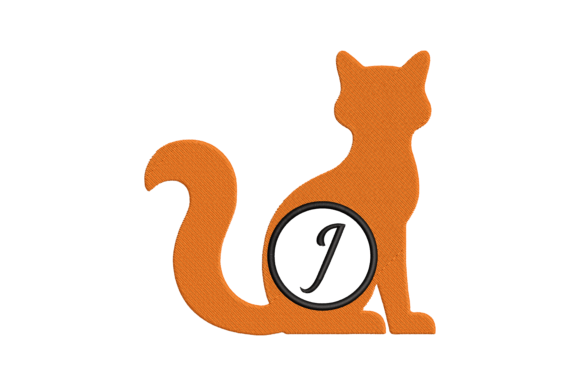
Cat Letter I Embroidery Design Review for Craft Fairs
As an embroidery designer who has spent countless hours behind the hoop and even more time standing behind a booth table at local markets, I know that not every machine embroidery design is created equal. Some designs look stunning on a screen but fail to capture attention in person. Others are so complex they become a production nightmare for small batch runs. Today, I am putting the Cat Letter I under the microscope. This isn’t just about aesthetics; it is about viability. If you are an Etsy seller, a boutique maker, or a creative entrepreneur preparing for the upcoming season, you need to know if this design will convert browsers into buyers.
First Impressions: Charm Meets Commercial Viability
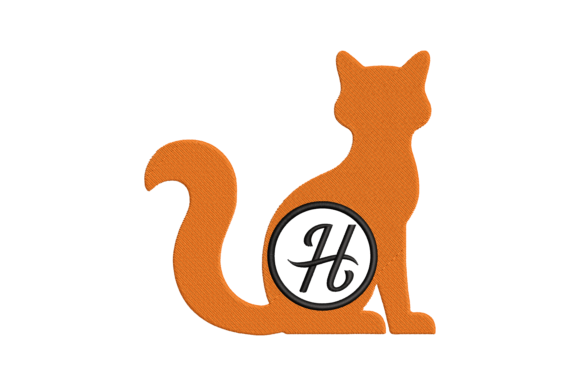
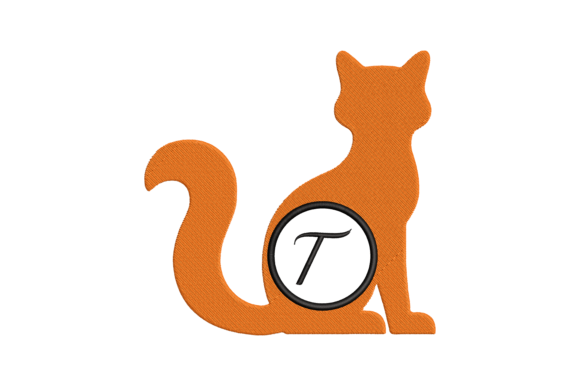
The first thing that strikes me about Cat Letter I is its immediate approachability. In the world of handmade goods, "cute" is a powerful currency, but it must be balanced with clarity. This design manages to blend adorable charm with intricate details without becoming cluttered. It feels soft, modern, and slightly whimsical, which makes it incredibly versatile. While the product category is listed as Back To School, I see this extending far beyond August. The personalization aspect of using a letter, combined with the universal appeal of cats, makes it a year-round contender for pet lovers and monogram enthusiasts alike.
For a craft fair setting, visual impact is everything. Customers walk past tables quickly. A design needs to communicate its value in seconds. Cat Letter I succeeds here because the silhouette is distinct. Even from a few feet away, the combination of the feline form and the letter structure is recognizable. This instant readability is crucial for a craft fair product where you cannot rely on long product descriptions to sell the item.
Product Application: Where This Design Shines
When I evaluate a new digital embroidery file, I immediately visualize it on various substrates. Not every design works on every item. Here is how I see Cat Letter I performing across different product lines:
- Tote Bags and Market Bags: This is arguably the strongest application. A canvas tote provides a large, flat surface that allows the intricate details of the cat and letter to breathe. As a tote bag design, it serves as a statement piece. Customers love personalized bags, and this offers a unique twist on standard monograms.
- Tea Towels and Kitchen Linens: For tea towel embroidery, placement is key. I recommend stitching this near the bottom hem or centered prominently. The charm of the design fits perfectly with the cozy, domestic vibe of kitchen textiles. However, be mindful of the fabric texture; waffle weave towels can distort fine details, so a smooth flour sack towel is preferable.
- Aprons: An apron embroidery project using this design makes for a fantastic gift item. Placing it on the bib or the lower skirt adds a professional, boutique touch. It elevates a simple utility item into a handmade product that feels special and curated.
- Embroidered Patches: If you are looking to create low-commitment items for impulse buys, consider making iron-on patches. An embroidered patch featuring Cat Letter I allows customers to customize their own jackets or bags later. This is a smart strategy for reducing inventory risk.
- Caps and Headwear: Proceed with caution here. Curved surfaces distort designs. If you attempt this on a cap, ensure the design is scaled correctly and uses a cut-away stabilizer to prevent puckering. It may work better as a smaller accent on the side rather than a large front focal point.
Production Realities: Stitch Density and Efficiency
From a production standpoint, time is money. When preparing for a market, I need designs that are reliable. The description mentions "intricate details," which suggests a moderate to high stitch density. Before running a full batch, you must test this on scrap fabric. Check for thread breaks, especially if you are using rayon or polyester threads that may behave differently under tension.
One critical consideration is the hoop size. You need to confirm that the design fits comfortably within your standard hoops without requiring excessive re-hooping, which slows down production. If the design is too large for a 4x4 hoop but too small to justify a 5x7 setup for tiny items, it might limit your product range. Always check the specific dimensions provided with the design assets.
Additionally, consider the thread colors. Cat designs often rely on subtle shading. If you are producing these in bulk, sticking to a limited color palette can speed up thread changes. However, ensure there is enough contrast between the cat, the letter, and the background fabric. On dark fabrics, you may need to use a white or light-colored underlay or outline to ensure the design pops.
Selling Strategy: Visual Appeal and Branding
How does Cat Letter I affect your brand consistency? If your shop focuses on whimsical, pet-friendly, or personalized goods, this design is a perfect fit. It strengthens your niche. For online listings, this design photographs beautifully. Create a printable mockup or stage real photos with props like yarn balls, books, or coffee mugs to enhance the lifestyle appeal. High-quality images of the finished product are essential for converting online traffic.
At a physical booth, use this design on your best-selling item as a sample. Let people touch the stitching. The tactile quality of embroidery is a major selling point. If the stitch work is clean and the backing is neatly trimmed, it signals high quality. This builds trust and justifies a higher price point for your small shop product.
Practical Designer Notes for Success
To ensure the best results with Cat Letter I, follow these practical steps before you start selling:
- Test on Multiple Fabrics: Do not assume it will look the same on cotton as it does on linen. Test on the exact materials you plan to sell.
- Check Stabilizer Compatibility: Use the right stabilizer for your fabric weight. Lightweight fabrics may require a tear-away with a toppper to prevent sinking stitches.
- Verify Licensing: Before engaging in commercial embroidery, confirm the license terms of the embroidery file. Ensure you have the right to sell finished products made with this design.
- Inspect Small Details: Zoom in on the digital file. Are there tiny satin stitches that might snag? If so, consider simplifying or avoiding those areas on items that will receive heavy wear, like backpacks.
- Create Variations: Consider offering this in different thread color combinations to appeal to various tastes. A neutral palette for minimalists and bright colors for kids' items.
In conclusion, Cat Letter I is a strong candidate for your Back To School collection and beyond. Its blend of personalization and playful imagery hits the sweet spot for modern consumers. By paying attention to production details and presenting it on the right products, you can turn this single design into a profitable staple of your embroidery business. Whether you are decorating home goods or creating wearable art, this design offers the charm and quality needed to stand out in a crowded market.