Hello Sunshine Font: A Designer’s Honest Review
As an embroidery designer who spends hours digitizing and testing files, I am always on the lookout for typefaces that translate well from screen to fabric. Typography in machine embroidery is tricky; what looks elegant on a computer monitor can sometimes look messy or dense when stitched out. Recently, I explored the Hello Sunshine Font on Creative Fabrica, specifically looking at its potential for upcoming seasonal projects. With the Back To School season approaching, I needed a script that felt cheerful yet professional enough for commercial use. Here is my honest evaluation of this design asset after considering it for real-world application.
First Impressions and Visual Mood
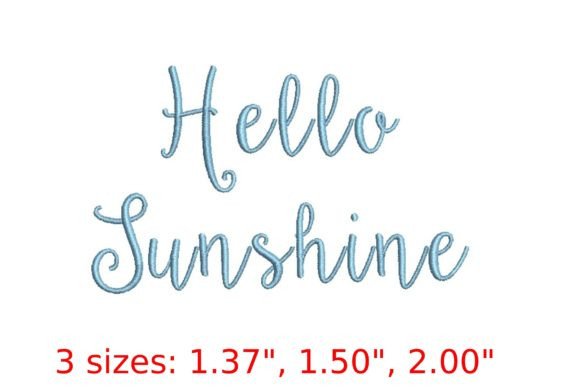
The first thing that strikes you about the Hello Sunshine Font is its inherent warmth. The description promises playful and lively letterforms, and visually, it delivers. The curves are generous, and the connections between letters feel fluid rather than forced. For an embroidery designer, this is crucial. Jagged or overly complex connections often lead to thread breaks or poor stitch quality, especially on smaller hoop sizes.
The visual mood is undeniably optimistic. It does not take itself too seriously, which makes it perfect for projects that aim to evoke happiness. When I imagined this font stitched onto a canvas tote bag or a bright yellow apron, the synergy was immediate. It is not a stiff, formal serif; it is a handwritten-style script that invites touch. This tactile appeal is vital for handmade products, where the customer is buying not just an item, but a feeling.
Performance in Real Embroidery Projects
I evaluated how this font would perform across various common embroidery substrates. The versatility of a good embroidery file lies in its adaptability. Here is how I see the Hello Sunshine Font fitting into different product categories:
- Custom Apparel and Sweatshirts: The weight of the letterforms seems substantial enough to hold up on thicker fabrics like fleece or cotton blends used in sweatshirt embroidery. The playful nature fits perfectly with casual wear, making it ideal for personalized gifts or boutique merchandise.
- Tote Bag Design: Canvas bags provide a stable surface for stitching. This font would look fantastic as a central motif on a tote, perhaps paired with a simple floral element. The readability is high, which is essential for items that serve as walking advertisements for your brand.
- Back To School Items: This category is a natural fit. Imagine this script on lunchboxes, pencil cases, or backpack tags. Parents love personalized items for their children, and the cheerful vibe of Hello Sunshine aligns perfectly with the excitement of a new school year.
- Kitchen Towels and Aprons: For home decor and utility items, the font adds a touch of whimsy. Stitched in contrasting thread colors on a waffle-weave towel, it could elevate a simple household item into a giftable product.
However, one must be cautious with curved surfaces like caps. While the font is lively, applying any script to a curved cap surface requires careful hooping and stabilization. I would recommend testing the stitch density on a scrap piece of twill before committing to a full production run of embroidered patches or hats.
Technical Considerations for Stitching
From a technical standpoint, using a script font like this requires attention to detail. Since the product description highlights "playful and lively letterforms," we can infer that there may be varying thicknesses in the strokes. In machine embroidery, this translates to a mix of satin stitch and potentially fill stitch areas, depending on how the digitizer handled the width variations.
Stitch Density and Fabric Choice
If you are stitching on stretchy fabric, such as a jersey t-shirt, proper stabilizer use is non-negotiable. A cut-away stabilizer is usually best for garments that will be washed frequently. The density of the Hello Sunshine Font appears moderate, but without seeing the specific stitch count in the file details, I advise running a test stitch on scrap fabric first. This allows you to check for puckering, which can ruin the aesthetic of a handmade product.
Thread Color Contrast
Because this is a script font, legibility is key. On dark fabric, ensure you use a light, vibrant thread color to make the letters pop. Conversely, on light fabric, a bold, saturated color will help the design stand out. I recommend creating a printable mockup with different thread colors to see which combination offers the best visual appeal before you start stitching.
Hoop Size and Scaling
Always confirm the hoop size compatibility listed on the Creative Fabrica product page. If you plan to scale the design down for small items like baby blankets or patches, be aware that tiny lettering can lose definition. Intricate loops in script fonts can become clogged with thread if scaled too small. Inspect the small details after stitching your test piece to ensure the connections remain clear and the text is readable.
Enhancing Product Value and Brand Consistency
Using a high-quality font like Hello Sunshine Font can significantly impact your brand perception. For Etsy sellers and creative entrepreneurs, consistency is key. If your brand voice is friendly, approachable, and bright, this font reinforces that identity. It helps build buyer trust because the presentation looks professional and cohesive.
Furthermore, the "giftability" factor of a product increases with personalized touches. A plain pillow cover becomes a cherished keepsake when embroidered with a name or a heartfelt message in a charming script. This emotional connection drives customer engagement and can lead to repeat business. When you photograph these finished products for your online shop, the texture of the embroidery combined with the playful font creates a compelling image that stands out in a crowded marketplace.
Practical Steps Before You Stitch
Before you download and start producing commercial embroidery items, here is a checklist to ensure success:
- Check File Details: Verify the available formats (such as PES, DST, or JEF) to ensure compatibility with your specific embroidery machine.
- Review Licensing: Confirm the license terms on the Creative Fabrica product page. Most designs allow for commercial use of finished physical products, but it is essential to be certain before selling.
- Test on Scrap Fabric: Never skip this step. Test on the same type of fabric you intend to use for the final product to check for tension issues or puckering.
- Inspect Stitch Quality: Look closely at the entry and exit points of the stitches. A well-digitized file will have clean transitions that minimize trimming and cleanup time.
- Compare Mockups: Create digital mockups on both light and dark backgrounds to determine which thread colors offer the best contrast and aesthetic appeal.
In conclusion, the Hello Sunshine Font appears to be a versatile and charming addition to any embroidery designer’s library. Its playful nature makes it suitable for a wide range of applications, from back-to-school gear to cozy home decor. By paying attention to technical details like stabilizer choice and stitch density, you can leverage this design to create high-quality, personalized gifts that resonate with customers. As always, the key to successful commercial embroidery lies in thorough testing and a keen eye for detail.