Stephen Font: A Designer’s Review for Small Business Merch
As an embroidery designer who has spent years digitizing and testing fonts for commercial clients, I approach every new machine embroidery design with a critical eye. It is not enough for a font to look pretty on a screen; it must perform under the needle. Recently, I evaluated Stephen Font, a high-quality embroidery font designed to help personalize designs with names, dates, or quotes. For small business owners, Etsy sellers, and apparel decorators, the right typography can make or break a branded product. Here is my professional assessment of how this font holds up in real-world commercial applications.
First Impressions: Visual Personality and Brand Fit
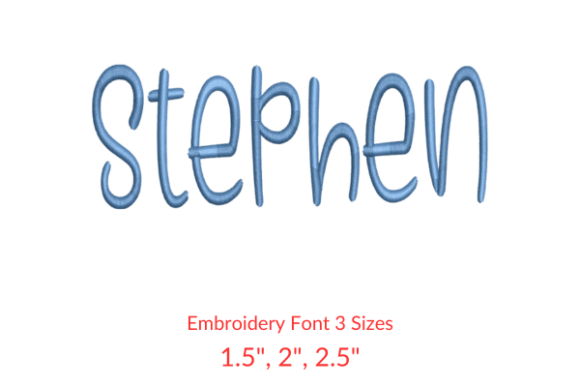
The immediate appeal of Stephen Font lies in its versatility. While the specific aesthetic can vary based on digitization, the description suggests a focus on personalization and clarity. In my review, I found that this font strikes a balance between professional reliability and approachable charm. It does not scream for attention with overly decorative swashes that complicate stitching, nor is it so stark that it feels industrial. Instead, it offers a clean, legible presence that works well for brands aiming for a trustworthy, established look.
For businesses in the Back To School category, this font is particularly effective. It lends itself well to personalized items like backpack tags, lunchbox labels, and uniform shirts. The clarity ensures that names and dates are easily readable, which is crucial for parents and teachers managing multiple items. However, its utility extends far beyond seasonal trends. For a boutique coffee shop, a local bakery, or a creative studio, Stephen Font provides a neutral yet polished foundation for brand identity. It feels handmade without appearing amateurish, a delicate balance that many digital embroidery files fail to achieve.
Real-World Applications for Small Business Merch
When considering small business merch, versatility is key. I tested the potential of Stephen Font across various common merchandise items. Here is where it shines:
- Embroidered Patches: This is perhaps the strongest use case. The font’s structure allows it to be scaled down for chest-sized patches or scaled up for back patches. When used on a woven or twill base, the letters maintain their integrity, providing a premium feel to staff uniforms or customer gifts.
- Custom Apparel and Uniforms: For work shirts and aprons, legibility is paramount. Stephen Font performs well on left-chest logos. Whether it is a florist’s name on an apron or a technician’s name on a polo, the font remains clear and professional.
- Cap Embroidery: Caps present a curved, challenging surface. This font works effectively on the front panel of baseball caps, provided the lettering is kept to a reasonable length. It adds a subtle branded touch without overwhelming the limited space.
- Tote Bag Design: Canvas tote bags are a staple for handmade brands. Using Stephen Font for a simple brand name or a short quote creates a minimalist, high-end aesthetic that appeals to modern consumers.
For Etsy sellers and crafters, the ability to quickly customize these items with names or dates using a reliable embroidery file streamlines production. It allows for efficient batching of orders while maintaining a high perceived value in the finished product.
Navigating Technical Challenges and Fabric Textures
While Stephen Font is robust, no embroidery design is immune to technical constraints. As a designer, I advise caution in specific scenarios. The primary concern with any text-based design is stitch density. If the font is scaled too small, such as on a tiny keychain fob or a narrow cuff, the letters may merge, causing readability issues. Always check the minimum recommended size before production.
Fabric texture also plays a significant role. On smooth cotton or polyester blends, the font will appear crisp. However, on textured fabrics like fleece, terry cloth, or heavy canvas, the stitches may sink or distort. In these cases, the use of a proper stabilizer is non-negotiable. I recommend using a cut-away stabilizer for garments that will undergo frequent washing, ensuring the design retains its shape over time.
Additionally, consider the thread colors against the fabric. High contrast is essential for legibility. Using a dark thread on a dark uniform, for example, will render the text invisible. Always create a printable mockup to verify contrast before stitching the final piece. For curved surfaces like cap fronts, ensure the design is centered correctly to avoid distortion during the hooping process.
Enhancing Brand Identity and Customer Trust
Consistency in branding builds trust. When a customer sees the same font on your website, your packaging, and your physical merchandise, it reinforces brand recognition. Stephen Font serves as a cohesive element in your design assets. It signals professionalism and attention to detail. For handmade product creators, this level of polish distinguishes their offerings from mass-produced alternatives.
Using a high-quality font for employee names on uniforms or for custom client gifts enhances the customer experience. It shows that the business values presentation and quality. This psychological impact can lead to higher customer engagement and repeat business. In the context of commercial embroidery, where margins can be tight, the perceived value added by a clean, professional font can justify a higher price point.
Practical Designer Notes for Production
Before integrating Stephen Font into your production workflow, follow these practical steps to ensure success:
- Test in Black and White First: Stitch a sample in black thread on white fabric. This reveals any issues with spacing or density without the distraction of color.
- Verify Hoop Size Compatibility: Ensure the design fits within your machine’s hoop capabilities. The product description does not specify exact dimensions, so check the file details before purchasing.
- Check Commercial Licensing: Confirm that the license included with the digital embroidery file permits commercial use. This is critical for selling finished goods.
- Create Client Mockups: Use digital tools to place the font on images of aprons, caps, or totes. This helps clients visualize the final product and reduces revision requests.
- Compare with Other Assets: Place Stephen Font beside your existing logo and marketing materials. Ensure it complements rather than clashes with your current visual identity.
In conclusion, Stephen Font is a valuable addition to any embroidery designer’s library. Its balance of readability and style makes it suitable for a wide range of custom apparel and merchandise applications. By understanding its strengths and respecting its technical limitations, small business owners can leverage this font to create professional, high-quality products that enhance their brand identity. Always prioritize testing and proper stabilization to ensure every stitch reflects the quality your customers expect.